
Featured classic
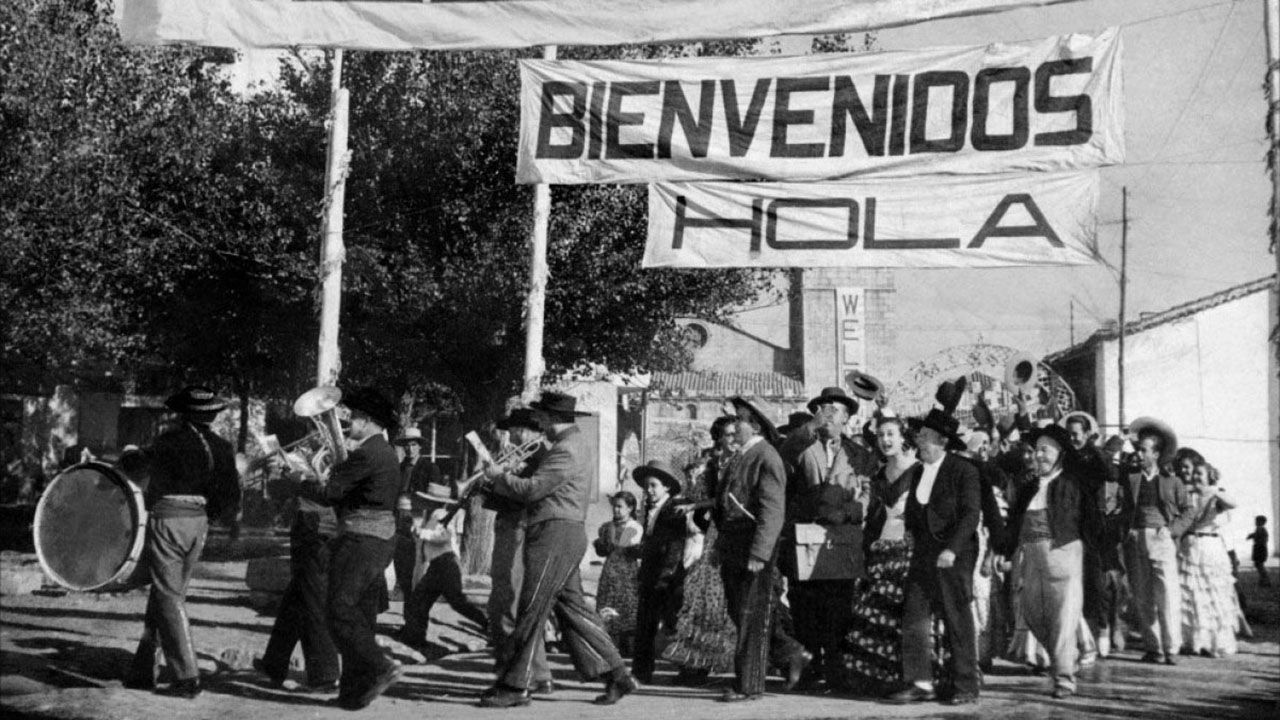
Welcome Mr. Marshall!
¡Bienvenido, Mister Marshall! · 1953
A small Spanish town, Villar del Río, is alerted to the upcoming visit of American diplomats and its ruling townsmen begin preparations to impress the American visitors, in the hopes of benefiting under the Marshall Plan. Hoping to demonstrate the side of…
Cinedeantes
167 Spanish-language classics, 1936 to 1985, chosen for the whole household.
Classics from Mexico
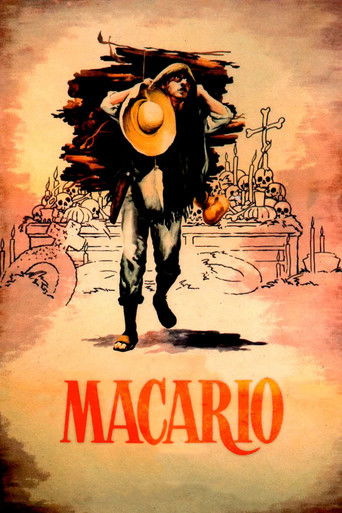 Macario (1960)
- Fly Away, Young Man! 1947
- El patrullero 777 1978
- El analfabeto 1961
- Los tres huastecos 1948
- El Siete Machos 1951
Cycle: Cantinflas
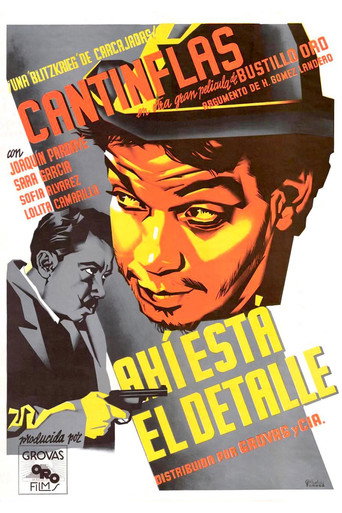 You’re Missing the Point1940
 The Atomic Fireman1952
 Soy un prófugo1946
 Your Excellency1967
 El Portero1950
 The Circus1943
Cycle: Pedro Infante
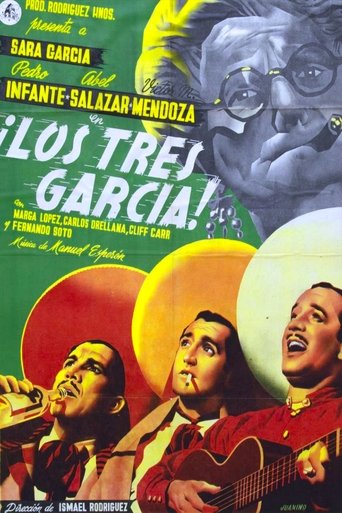 The Three Garcías1947
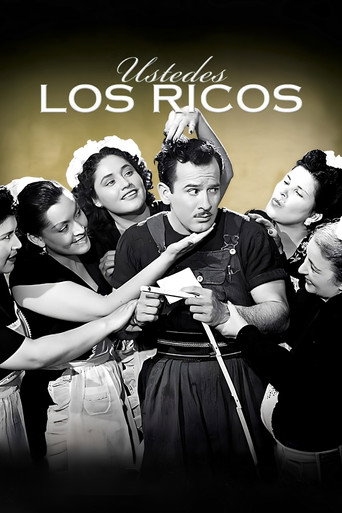 You the Rich1948
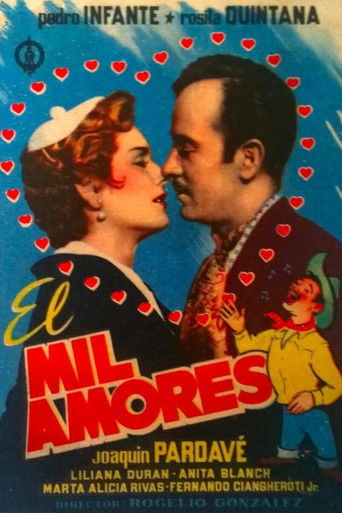 El mil amores1954
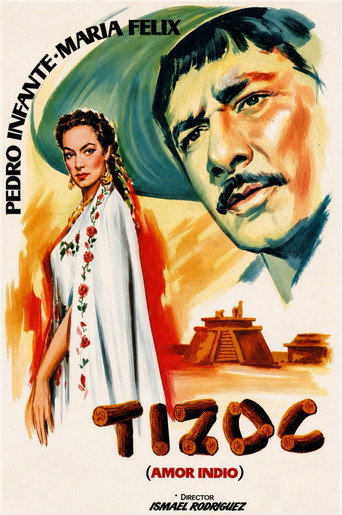 Tizoc1957
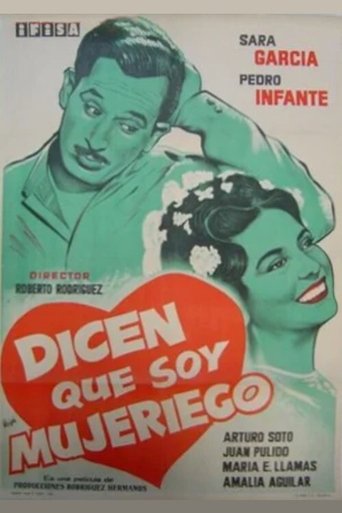 Dicen que soy mujeriego1949
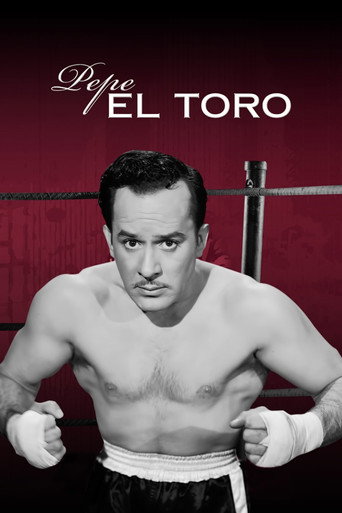 Pepe El Toro1953
Cinema: Musicals
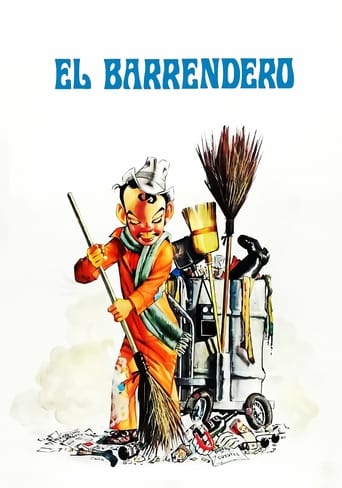 El Barrendero1982
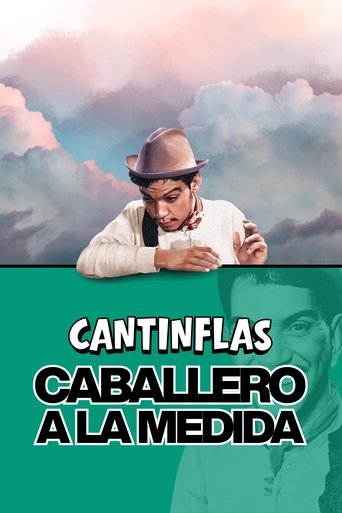 Tailored gentleman1954
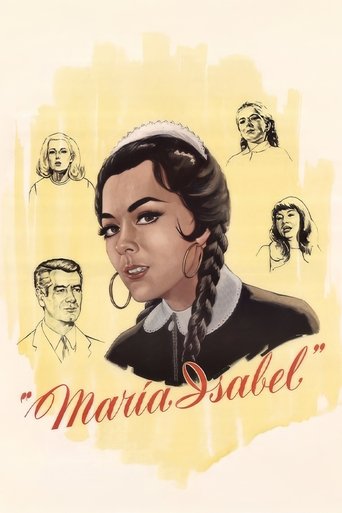 María Isabel1967
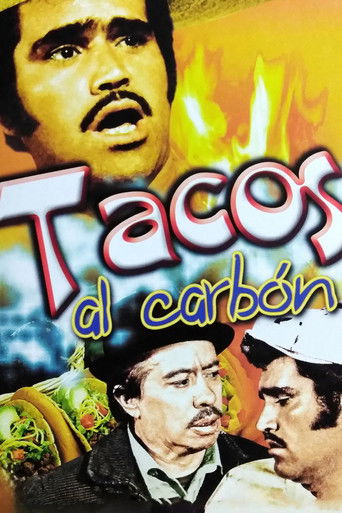 Tacos al Carbon1972
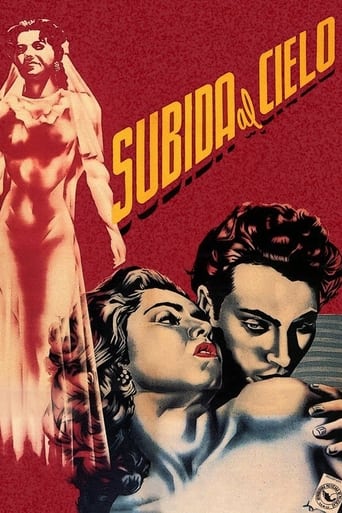 Mexican Bus Ride1952
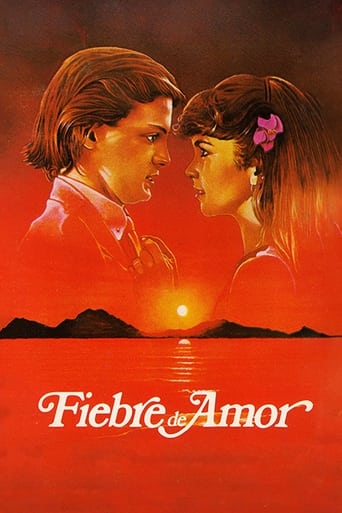 Fiebre de Amor1985
Cinema: Comedy
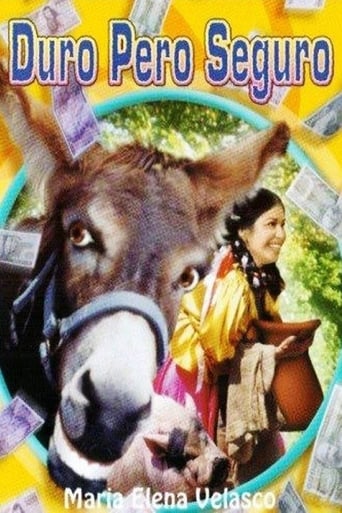 Duro pero seguro1978
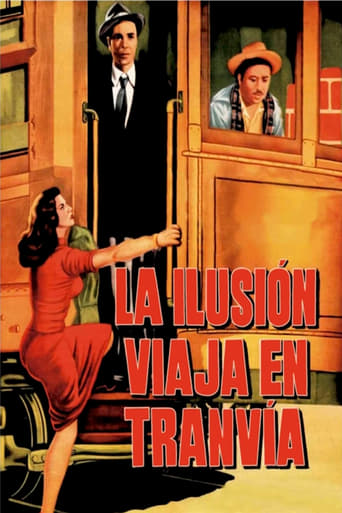 Illusion Travels by Streetcar1954
 The Great Madcap1949
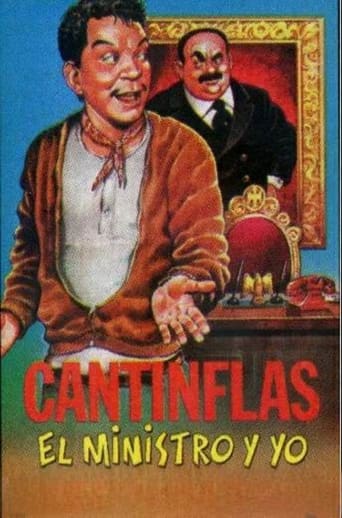 The Minister and Me1976
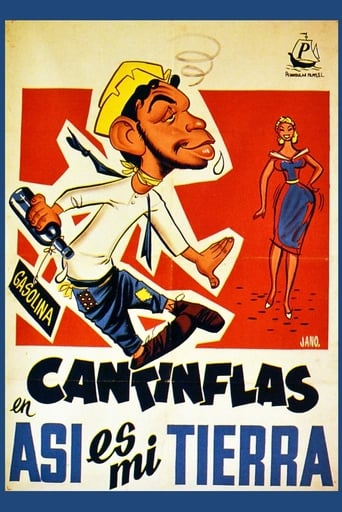 Así es mi tierra1937
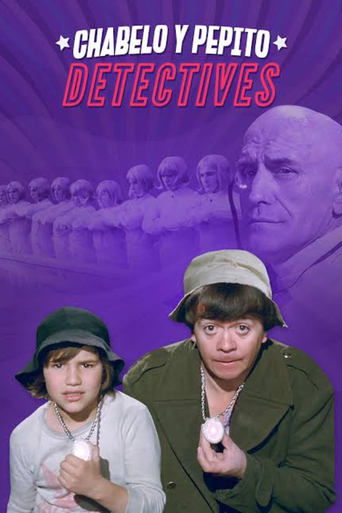 Chabelo y Pepito Detectives1974
Cinema: Family
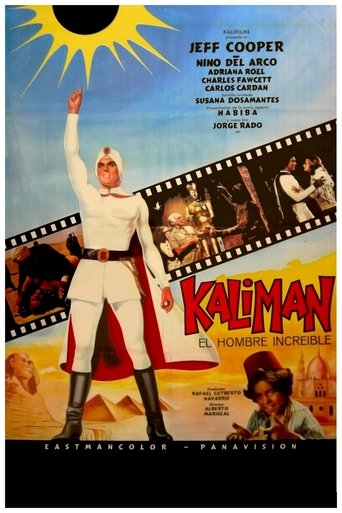 Kaliman, the Incredible Man1972
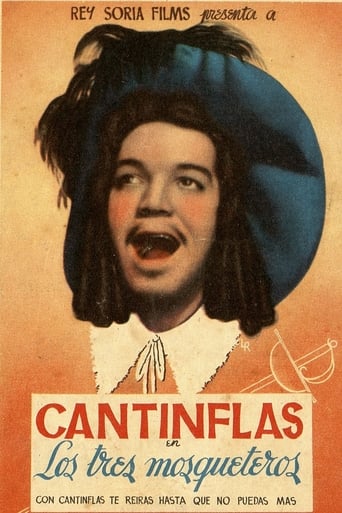 The Three Musketeers1942
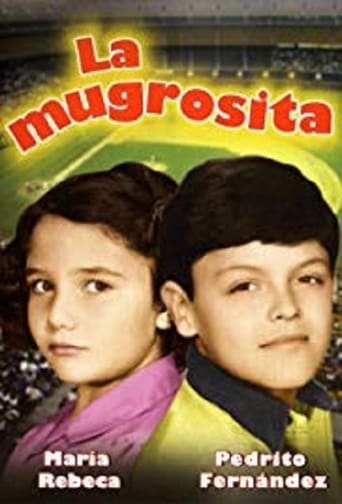 La mugrosita1982
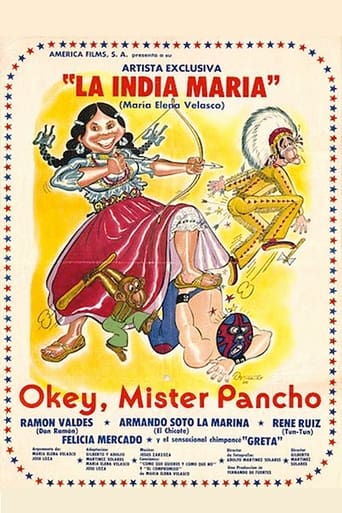 Okey, Mister Pancho1981
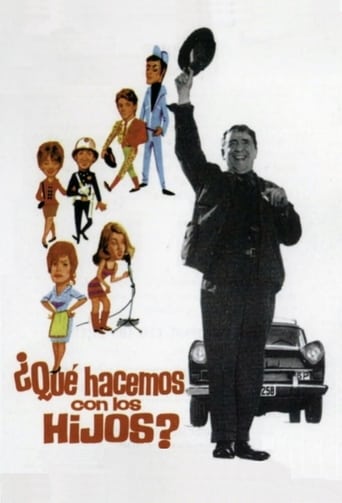 ¿Qué hacemos con los hijos?1967
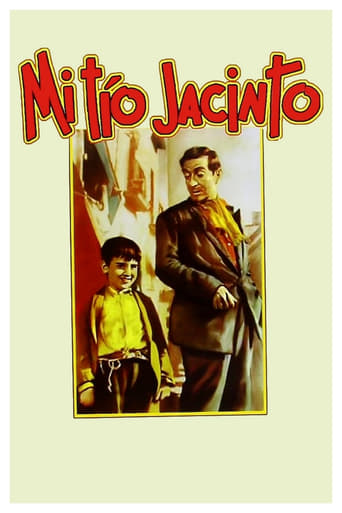 Uncle Hyacynth1956
The Cinedeantes guide
Cinedeantes: the cinema of before in Spanish, from Welcome Mr. Marshall!, Macario and Los tres huastecos to Illusion Travels by Streetcar, The Spirit of the Beehive and El analfabeto
In Spanish the phrase is cine de antes, the cinema of before: the films that grandparents saw on a Sunday afternoon, that television repeated every holiday, and that whole families can still quote by heart. For half a century the studios of Mexico City, Madrid and Buenos Aires supplied the Spanish-speaking world with its own stars, its own songs and its own way of laughing. Cinedeantes is a guide to 167 of those films, made in Spanish between 1936 and 1985. Each has its own page, its story, its director and cast, and a Watch now button that leads to the official services carrying it in your country.
The catalogue has been chosen for the whole household. Every film was read through by hand, and the selection favours comedy, music, family stories and the gentler dramas. Westerns, crime films, horror, films of the battlefield, religious pictures and comedy made strictly for adults were left out. What remains is the cinema of before at its most welcoming: a Castilian village rehearsing its welcome for the Americans, a woodcutter who shares his dinner with a mysterious stranger, three identical brothers who are a priest, a soldier and a shopkeeper, and a little man with a wispy moustache who can talk for five minutes and say, by his own cheerful admission, very little indeed.
What follows is a tour in English for viewers anywhere: first the shape of the catalogue, then three films for a first evening, then the great names country by country, and finally the practical matters of search, lists and My List. Every title mentioned is a link to its own page.
What Cinedeantes offers
Cinedeantes is a viewing guide. Each of its 167 film pages carries a poster, a still where one exists, the story in a paragraph, the year, the running time, the director, the principal cast, and the Spanish title beside the English one. Beneath them sits one button, Watch now, which opens JustWatch for the country you select and shows the subscription, rental, purchase and free services that carry the film there. The guide itself holds pages of information, and the playing of every film happens on those official services.
The films come from three great centres. Mexico supplies 111, the output of the studios whose golden age ran from the mid-thirties to the late fifties. Spain supplies fifty, from the comedies of the fifties to the art cinema of the seventies. Thirteen come from Argentina, Cuba and Venezuela. A handful were made jointly, usually between Mexico and Spain, when stars crossed the Atlantic in both directions.
By kind, 121 films are comedies or carry comedy within them, eighty-two are dramas, fifty-two are musicals or have song at their heart, thirty-four are romances and twenty-six are gathered for family viewing. Ninety-seven date from the golden age before 1960: forty-seven from the thirties and forties and fifty from the fifties. Forty-two come from the sixties and twenty-eight from 1970 to 1985. Three performers have lists of their own: Cantinflas with twenty-five films, Pedro Infante with thirteen and Tin Tan with twelve.
The home page follows the plan of a film club's bulletin. A featured classic stands at the top beside its still. Beneath it, on a white sheet, three columns present classics from Mexico, from Spain, and from Argentina and beyond, each with a framed poster and a short list. Rows of six posters follow for the Cantinflas and Pedro Infante cycles, the musicals, the comedies and the family films, and this guide closes the page.
A first evening
For a first evening, three films recommend themselves, one from Spain and two from Mexico. The Spanish film is Welcome Mr. Marshall!, directed by Luis García Berlanga in 1953. Word reaches the small Castilian village of Villar del Río that American officials will soon pass through, bringing the aid of the Marshall Plan. The mayor, played by the incomparable José Isbert, is persuaded by a visiting impresario that Americans expect Spain to look Andalusian, and so the village dresses its streets with false fronts, puts on flat hats and frilled dresses, and queues to tell the mayor what each resident will ask for. That night everyone dreams, each dream a small parody of a film style. The ending is among the most famous in Spanish cinema, and the film's sly warmth has kept it fresh for seventy years.
The first Mexican film is Los tres huastecos, directed by Ismael Rodríguez in 1948. Pedro Infante plays triplets separated at birth and raised in three corners of the Huasteca region: Lorenzo, a rough shopkeeper in Tamaulipas with a small daughter and a tarantula; Juan de Dios, a gentle village priest in San Luis Potosí; and Víctor, an army captain in Veracruz. When a bandit begins to trouble the district, each brother is mistaken for the others. Infante sings in three regional styles and often shares the screen with himself, through trick photography that was a marvel in its day.
The second is El analfabeto, from 1961, one of the best of the later Cantinflas comedies in colour. Inocencio is a kind-hearted carpenter's helper who has yet to learn his letters, and so the letter that tells him he has inherited a fortune stays folded in his pocket. Ashamed, he enrols at the village school among the children, takes a job sweeping a bank, and falls for a housemaid played by Lilia Prado. The film is funny and, in its feeling for the dignity of learning to read, quietly moving.
Any one of the three shows what the catalogue is for, and each leads onward: Berlanga to Placido and The Rocket from Calabuch, Infante to The Three Garcías and Tizoc, and Cantinflas to twenty-four further films.
Cantinflas
Twenty-five films star Mario Moreno, known to the world as Cantinflas, and the Cantinflas guide sets them in order. He came from the travelling tent theatres of Mexico City, where he invented the character of the pelado, the penniless man of the streets, with his trousers slung low, a scrap of cloth over one shoulder and a torrent of polite, circular talk. The Spanish language gained a verb from him, cantinflear, to speak at length while committing oneself to very little, and Charlie Chaplin called him the finest comedian alive.
The earliest films here show the character forming. Así es mi tierra, from 1937, and Águila o sol, from 1938, pair him with his stage partner Manuel Medel. You’re Missing the Point, from 1940, known in Spanish as Ahí está el detalle, is the film that made him a star throughout the Spanish-speaking world: mistaken for the long-lost brother of a wealthy man's wife, he ends in a courtroom where his testimony reduces judge, prosecutor and defence to speaking exactly as he does. Many critics rank it among the greatest Mexican films.
From 1941 he worked almost always with the director Miguel M. Delgado, twenty of whose films are on Cinedeantes. Neither Blood Nor Sand sends him into the bullring as the double of a famous matador. The Three Musketeers and Romeo y Julieta are affectionate parodies of the classics. In The Circus he is a shoe repairer who joins the big top, in Gran Hotel a bellboy, in Soy un prófugo a bank cleaner on the run through a mix-up, in Fly Away, Young Man! a reluctant air cadet, and in The Magician the stand-in for a stage conjuror. El Portero, from 1950, makes him a doorman and letter-writer for the neighbourhood, in love with a young woman who needs an operation; El Siete Machos gives him two parts, a timid ranch hand and a masked hero; and The Atomic Fireman puts him in two uniforms in one film.
The films of the mid-fifties add colour and polish: Tailored gentleman, in which a tailor's assistant is taken up by society, and Drop the Curtain, set in a theatre. After his Hollywood success in Around the World in 80 Days he returned to Mexico for a long series in which the little man takes on an institution and leaves it kinder. Besides El analfabeto there are The Extra, a daydreaming bit-player at the film studios; Your Excellency, in which a consular clerk becomes his tiny republic's ambassador and addresses the nations of the world; Conserje en condominio; The Minister and Me; El patrullero 777, his turn as a policeman on the beat; and El Barrendero, from 1982, his last film, in which he sweeps the streets of the capital with undimmed courtesy. Love Your Neighbor and the early Carnaval en el trópico complete the list.
Pedro Infante and the ranchera
Thirteen films star Pedro Infante, and the Pedro Infante guide introduces them. A carpenter's son from Sinaloa with a warm baritone and an easy smile, he recorded more than three hundred songs, made some sixty films in eighteen years, and remains, long after his early death in 1957, the most loved figure in Mexican popular culture. His great director was Ismael Rodríguez, who understood that audiences wished to laugh, cry and sing within the same hour.
The Three Garcías and Vuelven los García, both from 1947, set three quarrelsome cousins under the rule of a cigar-smoking grandmother played by Sara García, the grandmother of Mexican cinema. You the Rich and Pepe El Toro continue the story of the carpenter Pepe from the most famous Mexican film of all, following him and his neighbours of the courtyard through hard times and into the boxing ring. Tizoc, from 1957, in colour, pairs Infante with María Félix as a young man of the mountains devoted to a proud lady of the town; it won him the best actor prize at the Berlin festival.
The lighter films are a pleasure. In The Innocent, from 1956, he is a mechanic who helps a wealthy young woman, played by Silvia Pinal, on New Year's Eve and wakes to find both families planning a wedding. El mil amores makes a shy widower invent a reputation as a ladies' man. Dicen que soy mujeriego returns him to Sara García's care. Ahí viene Martín Corona and Watch Out for Love are comedies of the ranch, Gitana Tenias Que Ser sets him opposite the Spanish star Carmen Sevilla, and Por ellas aunque mal paguen is an early appearance alongside the veteran Fernando Soler.
Infante belongs to a larger tradition, the comedia ranchera, which began with Allá en el Rancho Grande in 1936. Fernando de Fuentes's film of life on a great estate, with Tito Guízar singing the title song, was the first Mexican picture to succeed across the whole continent, and it fixed the image of the singing horseman for a generation. Jorge Negrete, the tradition's other great voice, a trained baritone with a commanding presence, stars in Así se quiere en Jalisco, the first Mexican feature in colour, in Story of a Great Love, in The Straying Rooster and, in Spain, in Teatro Apolo. Later singers carry the style onward: Luis Aguilar in El mariachi canta, Javier Solís in Campeón del barrio, and Vicente Fernández in Tacos al Carbon.
Tin Tan and the other clowns
Twelve films star Germán Valdés, called Tin Tan, and the Tin Tan guide lists them. Where Cantinflas was the innocent of the capital's streets, Tin Tan was the sharp young man of the northern border, in a wide-shouldered suit and a feathered hat, mixing Spanish and English, singing swing and bolero with real skill and dancing as well as he joked. His partnership with the director Gilberto Martínez Solares produced the fastest and most inventive comedies of the golden age.
The Troublemaker, from 1951, known as El revoltoso, is one of the best: a cheerful busybody of the neighbourhood whose attempts to help everyone end with him climbing the outside of a tall building. The Mark of the Skunk is a parody of the masked swordsman, with Tin Tan as both the dashing father and the timid son. The Count of Monte Cristo, the film known in Spanish as El Vizconde de Montecristo, Los tres mosqueteros y medio and Lo que le pasó a Sansón send up Dumas and the Old Testament with songs. Me traes de un ala, Soy Charro de Levita, Músico, poeta y loco, El hombre inquieto and La tijera de oro show him as a singer, a salesman, a window dresser and a tailor. Dios los cría pairs him with the great Argentine comedienne Niní Marshall, and Hotel de verano, from 1944, is his first screen appearance.
Other clowns have their place. Viruta and Capulina, the thin one and the round one, appear in Dos locos en escena, El dolor de pagar la renta, Cascabelito and Los astronautas; the first of these was written by Roberto Gómez Bolaños, later famous across Latin America as Chespirito. Clavillazo, with his oversized hands and folded hat, reaches the moon by accident in Conqueror of the Moon. Eulalio González, called Piporro, the comic of the northern ranches, stars in El rey del tomate and Dos corazones y un cielo. Los Polivoces, a pair of impressionists from television, appear in El aviso inoportuno, and Inspector Calzonzin, directed by and starring Alfonso Arau, brings a much-loved comic strip to the screen in a satire of small-town officialdom. María Elena Velasco, as the resourceful village woman La India María, stars in Duro pero seguro and Okey, Mister Pancho.
The golden age of Mexican drama
The Mexico guide and the golden age guide cover the serious films, which won Mexico prizes at Cannes, Venice and Locarno in the forties. The director Emilio Fernández, called El Indio, and the cameraman Gabriel Figueroa created a style at once national and universal: great skies heaped with cloud, faces in shadowed profile, fields of maguey, and stories told with the simplicity of ballads. Maria Candelaria, from 1944, set among the floating gardens of Xochimilco, stars Dolores del Río and Pedro Armendáriz as a young couple who ask only to be left in peace; it shared the top prize at the first Cannes festival. The Pearl, from John Steinbeck's story, follows a fisherman who finds a pearl of great size and learns what it brings with it. Maclovia, with María Félix, is set on the island of Janitzio in Lake Pátzcuaro, and Hidden River sends Félix as a young schoolteacher, at the president's personal request, to bring learning to a remote village.
María Félix, the most commanding presence the Mexican screen has known, became a legend with Doña Bárbara in 1943, from the Venezuelan novel, and the name clung to her for life. She appears again in Basket of Mexican Tales, three stories by B. Traven, and beside Pedro Infante in Tizoc. Jorge Negrete goes into the Venezuelan forest in Canaima, from a second Gallegos novel.
Roberto Gavaldón, the other master of the period, is represented by three films. Macario, from 1960, also from a Traven tale, is set on the Day of the Dead in colonial times. A poor woodcutter with many children has one wish, to eat a whole roast turkey by himself; when his wife manages to give him one, three strangers in turn ask him to share it. He divides it with the third, and receives in return a gift of healing water. Filmed by Figueroa in luminous black and white, with Ignacio López Tarso, it was the first Mexican film nominated for the Academy Award for foreign-language film, and families in Mexico watch it every November. Soledad's Shawl is a country doctor's story, and Autumn Days, from 1963, a delicate study of a young woman from the provinces who invents for her workmates the marriage she longs for.
Luis Buñuel, the Spanish surrealist who settled in Mexico, made a group of warm popular comedies there, and three are on Cinedeantes. The Great Madcap, from 1949, has Fernando Soler as a wealthy widower whose family, to cure his extravagance, pretends that he has lost everything; he discovers the trick and turns it back on them. Mexican Bus Ride, from 1952, follows a young man on a mountain bus journey full of delays, festivities and dreams. Illusion Travels by Streetcar, from 1954, is the most charming: two workers at the tram depot, learning that their beloved old car number 133 is to be withdrawn, take it out for one last night-time run through Mexico City and find that passengers keep getting on.
The family dramas of Juan Bustillo Oro and Alejandro Galindo were the best-loved films of their day. When the Children are Gone, from 1941, with Fernando Soler and Sara García as parents watching their grown children leave home, set the pattern. A Family Like Many Others, from 1949, shows a strict father's household changed by the arrival of a vacuum-cleaner salesman with modern ideas; it is often named among the ten finest Mexican films. Bustillo Oro's nostalgic musicals In the Times of Don Porfirio and México de mis recuerdos look back fondly to the turn of the century, as does Yo bailé con Don Porfirio. And Fred Zinnemann's The Wave, from 1936, made with the fishermen of Alvarado, with photography by Paul Strand and music by Silvestre Revueltas, is a landmark of world cinema.
Spain: Berlanga, Fernán Gómez and the comedy of everyday life
Fifty films come from Spain, and the Spain guide introduces them. Luis García Berlanga, the great humorist of Spanish cinema, has four films here. That Happy Couple, from 1953, co-directed with Juan Antonio Bardem, follows a young married pair, a film-studio electrician and a seamstress, who win a soap company's contest and are treated to one day of luxury. The Rocket from Calabuch, from 1956, known in Spain simply as Calabuch, brings a famous nuclear scientist, played by Edmund Gwenn, to hide in a Mediterranean fishing village where the lighthouse keeper plays chess by telephone and the jail door is left open; he repays the village's kindness by building the best firework rocket on the coast. Placido, from 1962, set on Christmas Eve in a provincial town where the well-to-do are each to seat a poor guest at table, was nominated for the Academy Award; its hero spends the night trying to make the payment on his three-wheeled van.
Fernando Fernán Gómez, actor, director and writer, is everywhere in this cinema. He directs and stars in Life Ahead, from 1958, a sharp and funny picture of a young couple, a doctor and a lawyer newly qualified, discovering what it costs to set up home, and in La venganza de Don Mendo, the celebrated verse parody of historical tragedy, and in Ninette and a Gentleman from Murcia. He acts in Morena clara beside Lola Flores, and appears, years later, as the beekeeper father in The Spirit of the Beehive.
The comedies of the late fifties and sixties drew on a wonderful company of character actors: José Isbert with his gravel voice, José Luis López Vázquez, Tony Leblanc, Manolo Morán, Gracita Morales and Paco Martínez Soria. Radio Stories, from 1955, tells three tales of people hurrying to win prizes on a radio programme, one of them an inventor who must arrive at the studio dressed as an Eskimo. Los ladrones somos gente honrada, Los tramposos and Robbery at 3 O'clock, in which the mild staff of a bank branch plan to hold up their own counter, are comedies of amateur schemers who are far too decent to succeed. Tres de la Cruz Roja has three football supporters join the Red Cross for the free seats at the stadium. K. O. Miguel, The Little Apartment, in which a young couple's search for somewhere to live takes a comic and bittersweet turn, El inquilino, Un millón en la basura, Vacaciones para Ivette, El taxi de los conflictos and El dinero tiene miedo belong to the same family. Paco Martínez Soria, the countryman with the beret, stars in ¿Qué hacemos con los hijos? and La tía de Carlos.
Ladislao Vajda's Uncle Hyacynth, from 1956, is among the loveliest Spanish films. Pablito Calvo plays Pepote, a small boy who lives in a shack on the edge of Madrid with his uncle, a former bullfighter fallen on hard times. A letter arrives inviting the uncle to appear in a comic bullfight that evening, and the two of them spend the day trying to raise the money to hire the suit of lights. It is funny, tender and exactly observed. El camino, directed by Ana Mariscal in 1964 from Miguel Delibes's novel, sees a Castilian village through the eyes of a boy on his last night before leaving for school in the city. The Boy and the Ball and the Hole in the Wall, from 1965, is a gentle fable about a small boy in Berlin whose ball goes over the wall. Don Quixote, from 1947, is a faithful and handsome film of the novel, and The Marquis of Salamanca and La vida en un hilo are elegant pieces by Edgar Neville; the second imagines the life a widow would have had if, on one rainy day, she had accepted a lift from a different man.
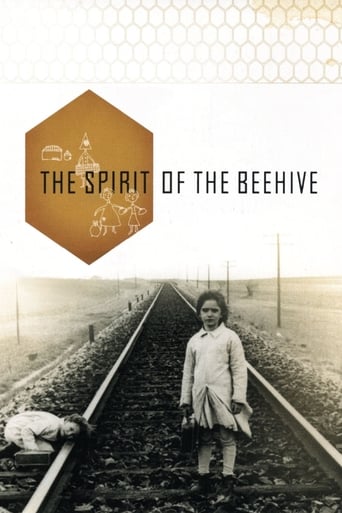
The later Spanish films bring a new seriousness. Víctor Erice's The Spirit of the Beehive, from 1973, is set in a Castilian village around 1940. A travelling cinema shows Frankenstein, and six-year-old Ana, played by the unforgettable Ana Torrent, becomes convinced that the creature is real and can be summoned. Told in golden light and long silences, it is widely held to be the finest film made in Spain. Carlos Saura's Mama Turns 100, from 1979, is a family comedy around a matriarch's birthday, and his Blood Wedding, from 1981, films Antonio Gades's flamenco company in a rehearsal-room performance of the ballet drawn from Lorca. Nine Letters to Berta is a student's portrait of Salamanca in the sixties; Valentina, with Anthony Quinn, is a tale of first love in Aragon; Opera Prima, Fernando Trueba's first film, is a comedy of young Madrid in 1980; and José Luis Garci's Begin the Beguine, from 1982, was the first Spanish film to win the Academy Award for foreign-language film.
Copla, cuplé and song
Fifty-two films have music at their heart, and the musicals guide sorts them by style. In Spain the great popular forms were the copla and the cuplé. The Violet Seller, from 1958, known as La violetera, stars Sara Montiel as a Madrid flower girl at the turn of the century who becomes a singer celebrated across Europe; it was one of the most successful Spanish films ever exported, and its title song is known everywhere Spanish is spoken. Montiel and the same director, Luis César Amadori, followed it with Mi último tango. Lola Flores, the force of nature from Jerez, sings and dances in Morena clara and María de la O, and Paquita Rico plays the young queen Mercedes in ¿Dónde vas, Alfonso XII?, the romantic story of a royal marriage that all Spain took to its heart, and stars again in ¡Viva lo imposible!.
The child singers were a phenomenon of their own. Joselito, the boy with the golden voice, crosses the ocean to Mexico in The White Horse to sing beside Antonio Aguilar. The twins Pili and Mili star in Un novio para dos hermanas. A decade later, Life Goes On, from 1969, tells the story of its own star, the young Julio Iglesias, a footballer whose playing days ended suddenly and who found a guitar and a new career. And in the eighties the duo Enrique and Ana, with their songs for children, made The Adventures of Enrique and Ana, while in Mexico the teenage Luis Miguel and Lucero starred in Fiebre de Amor.
Mexico's pop musicals of the sixties feature César Costa in Dile que la quiero and the comedies La alegría de vivir and Ven a cantar conmigo. Yo quiero ser artista and Al son de la marimba look to the variety stage. From Argentina comes The Circus Cavalcade, from 1945, with the tango stars Libertad Lamarque and Hugo del Carril as children of a travelling circus who grow up to conquer the theatres of Buenos Aires.
Argentina, Cuba and Venezuela
Thirteen films come from further south and from the Caribbean, and the Argentina guide covers them. The Buenos Aires studios of the forties specialised in sparkling comedy. Hay que educar a Niní, from 1940, stars Niní Marshall, the most gifted comic actress the Spanish language has produced, as a bit-part player hired to pose as a wealthy man's schoolgirl daughter. Carlos Schlieper directed the bright farces If I Were Rich, El retrato and Date in the Stars, and the young Mirtha Legrand, later Argentina's most famous television hostess, is the star of La pequeña señora de Pérez. Un bebé de París is a comedy of society by Manuel Romero.
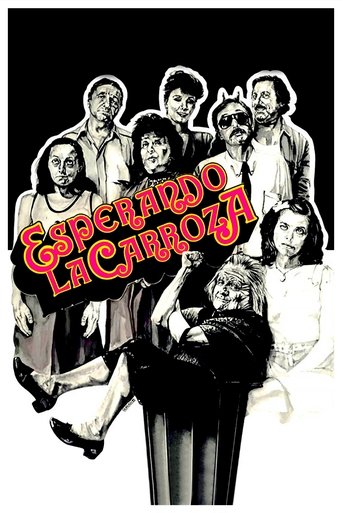
Sergio Renán's The Truce, from 1974, taken from Mario Benedetti's novel, is the quiet story of a widowed office worker of forty-nine, a few months from retirement, who falls in love with a young colleague and finds his grey life briefly lit. It was the first Argentine film nominated for the Academy Award. Waiting for the Hearse, from 1985, is the opposite in every way: a riotous comedy in which three brothers and their wives argue over who should house their elderly mother, who has meanwhile gone out for the afternoon. Argentines know its lines by heart, and it is shown on television every year.
From Cuba comes Tomás Gutiérrez Alea's Death of a Bureaucrat, from 1966, a comedy in the manner of Laurel and Hardy and Buñuel, in which a nephew spends days chasing rubber stamps from office to office to put right a small error in his uncle's papers. From Venezuela comes The Moving-Picture Man, from 1977, about a travelling projectionist who carries films to the villages in a van shaped like a whale.
Family films
Twenty-six films are gathered for younger viewers, and the family guide describes them. Yanco, from 1961, is a small wonder, told almost entirely in images and music: a boy in a lakeside village, so sensitive to sound that the noise of daily life pains him, builds a violin and plays it by night on the water. It won prizes at festivals around the world. Mi niño Tizoc, directed by Ismael Rodríguez in 1972, follows a flower seller of Xochimilco and his small son.
For adventure there are Kaliman, the Incredible Man, from the radio serial and comic book about a turbaned hero who solves mysteries with the powers of the mind; The Island of the Dinosaurs; and Chabelo y Pepito Detectives, with the television favourite Chabelo. La mugrosita, from 1982, is the story of a ragged little girl and the old street performer who looks after her. Among the comedies, The Circus, The Three Musketeers and The Mark of the Skunk suit any age, and Cape Horn, a seafaring adventure made between Mexico and Spain, is a good choice for older children.
A word on comedy and drama
The comedy guide and the drama guide give short routes through the two largest shelves. A reader new to this cinema might take the comedies in national pairs: You’re Missing the Point with Radio Stories, The Troublemaker with Robbery at 3 O'clock, The Innocent with Life Ahead, and Hay que educar a Niní with Dios los cría, where Niní Marshall meets Tin Tan. The dramas pair as naturally: Macario with The Spirit of the Beehive, two films about what a child or a poor man can see that others miss; A Family Like Many Others with El camino; and Autumn Days with The Truce.
The faces behind the stars
The cinema of before was a repertory company, and half its charm lies in the supporting players who turn up film after film. In Mexico the first of them is Sara García, who had her teeth removed in her thirties so as to play old women convincingly and went on to be grandmother to the entire nation; she is here in The Three Garcías, Vuelven los García, Dicen que soy mujeriego, When the Children are Gone and La miel se fue de la luna. Fernando Soler, the eldest of four acting brothers, plays stern or foolish fathers in seven films, among them The Great Madcap, A Family Like Many Others and México de mis recuerdos. Joaquín Pardavé, a songwriter as well as a comedian, partners Cantinflas in You’re Missing the Point and Tin Tan in El hombre inquieto. Silvia Pinal, who began as an ingénue beside the comedians and became one of the great ladies of Mexican cinema, appears in eight films, from El Portero to the two parts of the María Isabel story, María Isabel and El amor de María Isabel, taken from a famous illustrated romance about a village girl who goes to work in the capital. Ángel Garasa, tall and mournful, is the perfect foil to Cantinflas in The Three Musketeers and Fly Away, Young Man!.
In Spain the equivalent figure is José Isbert, small, hoarse and irresistible, who is the mayor in Welcome Mr. Marshall!, a grandfather in La familia Vila and a would-be burglar in Los ladrones somos gente honrada. José Luis López Vázquez, who could be timid, pompous or desperate with equal conviction, leads Robbery at 3 O'clock, The Little Apartment, Un millón en la basura and Vacaciones para Ivette. Tony Leblanc, a former boxer and dancer, is the quick-witted Madrileño of Los tramposos, K. O. Miguel and Tres de la Cruz Roja. Manolo Morán, broad and genial, is the impresario of Villar del Río and the star of ¡Viva lo imposible!, in which a clerk's family throws up its routine to join a circus.
The directors deserve the same notice. Miguel M. Delgado made twenty of the films on this guide, all with Cantinflas, and Gilberto Martínez Solares ten, most with Tin Tan. Ismael Rodríguez directed eight, Juan Bustillo Oro seven, Rafael Baledón six and Luis César Amadori, an Argentine who worked in three countries, five. Emilio Fernández and Luis García Berlanga have four each. A viewer who enjoys one film by any of these will find the others close at hand in the lists.
Decade by decade
Read by decade, the catalogue tells the story of a film industry's rise. The forty-seven films of the thirties and forties begin with sound itself: Allá en el Rancho Grande proved in 1936 that a film in Spanish could fill cinemas from Los Angeles to Buenos Aires, and within a few years Mexico was making more than a hundred features a year. The decade belongs to the first Cantinflas comedies, to Jorge Negrete, to the Buenos Aires farces and to the poetic dramas of Fernández and Figueroa. In Spain, Edgar Neville and Rafael Gil kept an elegant tradition alive.
The fifty films of the fifties are the high summer. Pedro Infante and Tin Tan are at their peak, Buñuel is making his Mexican comedies, and in Spain a new generation led by Berlanga and Fernán Gómez finds a way to tell the truth about everyday life through laughter. Colour arrives, first as a novelty and then, in Tizoc and The Violet Seller, as a glory. The forty-two films of the sixties are lighter on their feet: the Spanish comedy of manners flourishes, Cantinflas turns to colour and to gentle social comment, and young singers with electric guitars share the screen with the mariachis.
The twenty-eight films from 1970 to 1985 show two paths. The popular tradition continues with La India María, Chabelo, Vicente Fernández and the last Cantinflas pictures. Beside it grows an art cinema of international standing, in The Spirit of the Beehive, The Truce, Blood Wedding and Begin the Beguine. Each period has its own list on Cinedeantes, and each can be read beside the lists by country and by star.
Why these films last
It is fair to ask why films so old still hold an audience. One answer is craft: the studios trained their people thoroughly, and a routine comedy of 1950 is better lit, better timed and better sung than it had any need to be. A second is language. These films caught Spanish as it was spoken in the street, the market and the kitchen, and their turns of phrase passed back into daily speech, so that watching them is a little like hearing one's own family talk. The third is feeling. The cinema of before believed in decency, in the loyalty of neighbours, in the mother at the stove and the friend who lends his last coins, and it believed that a song at the right moment could set the world to rights. Audiences who grew up with these films return to them for that warmth, and newcomers are often surprised by how quickly it wins them over.
There is also the simple matter of length and pace. Most of these pictures run between eighty and a hundred minutes, tell one story from start to finish, and leave time afterwards for supper and talk. That is a courtesy modern viewers have learned to value, and it makes the cinema of before an easy habit to form: one film on a weekday evening, two on a Sunday, and a song or a catchphrase to carry into the week.
Watching in Spanish
Every film on Cinedeantes was made in Spanish, and the watching in Spanish page gives a few practical notes. Most services offer the original sound with English subtitles, chosen from the language menu on the player. Each film page shows the Spanish title beside the English one, which helps when a service lists a film under its original name: The Violet Seller as La violetera, Welcome Mr. Marshall! as Bienvenido, Mister Marshall, and You're Missing the Point as Ahí está el detalle.
The accents are part of the pleasure. The sing-song of Mexico City's neighbourhoods, the northern drawl of Piporro, the clipped speech of Madrid, the Andalusian of Lola Flores and the Buenos Aires of Niní Marshall are as distinct as the landscapes, and a viewer with a little Spanish will soon tell them apart. The verbal comedy of Cantinflas depends on rhythm more than on meaning, so even through subtitles the music of it comes across. Most films before the late fifties are in black and white, photographed with great care; the work of Gabriel Figueroa in particular rewards the largest screen in the house.
Search, lists and My List
The search field in the header answers as you type, in Spanish or in English, and sets aside filler words such as watch, online, ver and gratis. The finding titles page describes the search, the lists and the A to Z, which serves as the index of all 167 films.
Eighteen lists divide the catalogue. Four follow the calendar: the thirties and forties, the fifties, the sixties, and the seventies and eighties. Five follow kind: comedy, drama, romance, musicals and family. Three follow place: Mexico, Spain, and Argentina and beyond. Three follow a star: Cantinflas, Pedro Infante and Tin Tan. Golden age gathers the ninety-seven films made before 1960, Top rated holds the forty-seven that viewers have scored highest, and All titles holds everything. A film may sit in several lists at once, so Tizoc is found under Mexico, drama, romance, Pedro Infante, the fifties and the golden age alike.
My List is your own programme. Each film page carries an Add to My List button, and the blue My List button in the header opens the programme as a grid of posters. The browser keeps it on your device and has it ready each time you return, and the list page can store it as a file to open elsewhere. The My List page gives the steps, and the how to watch page explains the path from a title to a service.
A film page is laid out for a quick decision: the still and poster first, then the year, running time and genres, the story in a paragraph, the director and cast, and finally the country selector with its Watch now button. Fifteen countries are offered, Mexico, Spain, the United States and Argentina first among them, and the choice is remembered for the next film.
A month with the cinema of before
A simple plan for four weekends shows the range. On the first, take the three films of the first evening: Welcome Mr. Marshall!, Los tres huastecos and El analfabeto. On the second, stay in Mexico's golden age: Macario, Illusion Travels by Streetcar and The Troublemaker. On the third, cross to Spain: Uncle Hyacynth, Radio Stories and The Spirit of the Beehive. On the fourth, end with music and laughter from three countries: The Violet Seller, Allá en el Rancho Grande and Waiting for the Hearse. After that the lists will carry you on, and twenty-four more evenings with Cantinflas are waiting.
Questions and answers
Questions
What is Cinedeantes?
Cinedeantes is a guide to 167 classic Spanish-language films from 1936 to 1985, each with its story, cast and a Watch now button to the official services that carry it.
Which film should I watch first?
Start with Welcome Mr. Marshall!, Los tres huastecos or El analfabeto. They introduce Spanish comedy, Pedro Infante and Cantinflas.
Is the catalogue suitable for families?
Yes. Every film was read through by hand, and westerns, crime films, horror, battlefield stories and comedy made strictly for adults were left out.
How many Cantinflas films are there?
Twenty-five, from Así es mi tierra in 1937 to El Barrendero in 1982, all gathered in the Cantinflas list.
Which countries do the films come from?
Mexico supplies 111 films, Spain fifty, and Argentina, Cuba and Venezuela thirteen, with a few made jointly.
Are the films in Spanish?
Yes. Every film was made in Spanish, and most services offer the original sound with English subtitles.
How does My List work?
Press Add to My List on any film page. The browser keeps the list on your device, and the list page can store it as a file.
Does Cinedeantes host films or downloads?
Cinedeantes is a guide only. Every Watch now button opens JustWatch, which lists the official streaming, rental and purchase services for your country.
